%2Ffit-in%2F250x250%2Fguide_websites%2F179614%2Fimages%2F1781934947216tailgator-charters.png&w=1920&q=100)
Mahi Mahi and Blue Runner Fishing in Key Largo
Mahi Mahi and Blue Runner Fishing in Key Largo - What to Expect
%2F%2Fusers%2F980f7fcb-2a1e-48c5-a7bb-d3eb6c815361%2Fimages%2Fkey-largo-mahi-blue-runner-2872.jpg&w=1920&q=75)
Fishing Charter by Captain William Bill Miller in June
Meet your Captain Bill Miller
- Premier Key Largo Fishing Charter For Families


Summary
Fishing Charter in Key Largo on Sunday, June 22 brought excellent results with multiple mahi mahi and blue runner landed. Captain William Bill Miller of Tailgator Charters delivered a memorable day on the water, showcasing the productive fishing grounds around the Keys with consistent action and quality catches.
Fishing Charter with Captain William Bill Miller - Rates & Booking
Captain William Bill Miller of Tailgator Charters guided an exceptional fishing charter out of Key Largo on Sunday, June 22. The day delivered exactly what makes this area renowned among anglers - consistent action and quality fish. If you're interested in booking a similar experience, reach out to Tailgator Charters to reserve your trip and get current rates for their fishing charters.
Highlights of This Key Largo Fishing Experience
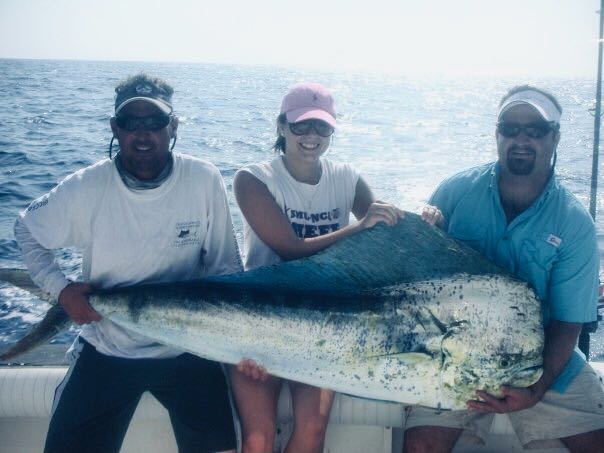
The fishing produced outstanding results with multiple mahi mahi landed throughout the day, along with blue runner catches. These species are the staple of productive Key Largo waters, and this charter demonstrated why so many anglers return to this region. The dock presentation shows the kind of quality catches you can realistically expect when conditions align and the fish are cooperating.
What made this day particularly rewarding was the consistent action. Rather than a slow start or scattered bites, the charter maintained steady catching. That's the difference between a good day and a memorable one - when the fish are there and the technique is right, everything comes together.
Local Species Insights: Mahi Mahi and Blue Runner
Key Largo's waters are prime habitat for mahi mahi, a species known for aggressive strikes and acrobatic fights. These colorful fish thrive in the warm waters around the Keys, particularly around structure and along reef edges. Mahi mahi tend to school, which means once you locate one, others often follow. They respond well to live bait presentations and favor depths where structure creates food sources and shelter.
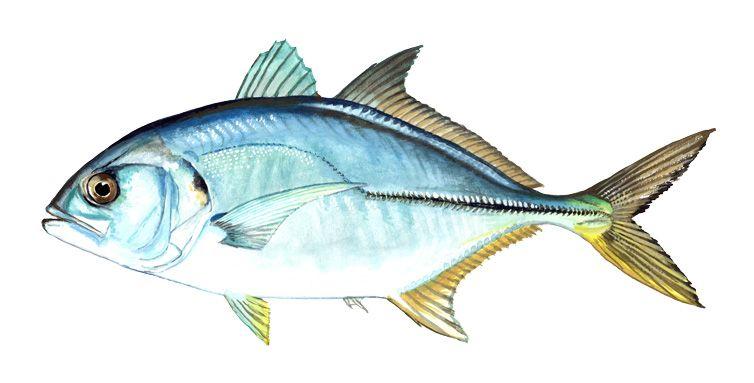
Blue runner, while smaller than mahi mahi, are equally important to the fishing experience. They're fast, hard-fighting fish that add variety to the day. Both species share similar habitat preferences in the Key Largo area - slightly deeper waters with some structure where baitfish congregate. The combination of both species on the same charter indicates the area was productive across multiple depth zones and structure types.
The environment around Key Largo supports consistent populations of both species throughout the warmer months. The region's unique geography - with the reef system, mangrove edges, and deep channels - creates ideal conditions for year-round fishing. Local knowledge about where these fish congregate at different times of day makes a significant difference in catch rates.
Plan Your Key Largo Fishing Day
A fishing charter like this one typically operates from early morning through mid-afternoon, allowing time to cover productive areas and adapt to where the fish are biting. Captain William Bill Miller's approach focuses on finding active feeding zones rather than spending time unproductively. Standard charters include all fishing tackle and expertise needed to locate and land fish. Most operators provide guidance on technique and fish handling, making the experience accessible whether you're an experienced angler or trying saltwater fishing for the first time.
Fishing in Key Largo: Blue Runner
Mahi Mahi (Common Dolphinfish) Overview
The Mahi Mahi, scientifically known as Coryphaena hippurus, belongs to the family Coryphaenidae and the order Perciformes. This extraordinary fish is one of the most visually stunning species you'll encounter offshore, with a distinctive play of colors ranging from brilliant golden-yellow to vibrant blue and green hues that seem to glow when the fish is in water. What makes this fish truly remarkable is its rapid growth, quick maturation, and the remarkable color-changing display it puts on when brought to the surface—a light show that has captivated anglers and seafood enthusiasts for generations. Found in tropical and subtropical waters worldwide, the Mahi Mahi has earned nicknames including Dorado (Spanish for "golden") and Dolphin Fish, though it shares no relation to the marine mammal dolphin despite the confusing common name that originated in Hawaii where locals called it "Mahi Mahi," meaning "strong-strong."
Mahi Mahi Habitat and Distribution
The Mahi Mahi thrives in warm, open ocean environments and is typically found under floating debris, sargassum mats, and other surface structures where they hunt and shelter. This surface-dwelling species is distributed worldwide across the Atlantic, Pacific, and Indian Oceans, with particularly abundant populations in warm waters. In the Western Pacific, they're found around the Philippine Islands, Taiwan, and the Sea of Japan. The Eastern Pacific hosts populations from the Oregon and Californian coasts down to Peru. In Southern California, the population is especially robust around Newport Beach, San Diego, Long Beach, and Dana Point, making these prime destinations for anglers seeking this species. Along the Atlantic coast, Florida's warm waters—particularly around Miami, West Palm Beach, and the Florida Keys—provide excellent habitat and consistent populations year-round.
Mahi Mahi Size and Weight
The average Mahi Mahi typically ranges from 40 to 83 inches in length, with weights generally between 15 to 30 pounds for typical catches. However, trophy specimens can exceed these averages significantly, with the world record standing at an impressive 87 pounds. What's fascinating about this species is how quickly they reach marketable size; juveniles grow at an extraordinary rate and mature within three to four months. This rapid growth makes them an excellent target for both commercial and recreational fishing, as consistent size classes are regularly available throughout their fishing season.
Mahi Mahi Diet and Behavior
Mahi Mahi are carnivorous predators and exceptional swimmers with impressive hunting capabilities. Their feeding habits shift as they mature: juveniles primarily consume small crustaceans, while adults transition to hunting bony fishes, showing a particular preference for flying fish. These fish are most active feeders during daylight hours, which makes daytime fishing expeditions particularly productive. Their behavior is highly reactive and aggressive toward potential prey and lures, making them exciting targets for anglers. They're attracted to floating objects and debris, where they congregate to feed, hunt, and shelter. This schooling tendency around structure makes them relatively predictable and accessible for anglers who know where to look.
Mahi Mahi Spawning and Seasonal Activity
The Mahi Mahi demonstrates remarkable reproductive capacity, spawning year-round in tropical waters with two to three spawning cycles per female annually. They employ broadcast spawning—a reproductive strategy where both males and females release eggs and sperm simultaneously into the water column, maximizing fertilization success. During their relatively short lifespan of three to five years, females can produce millions of eggs, ensuring stable and strong populations worldwide. This consistent spawning activity means Mahi Mahi are available for fishing throughout most of the year in warm-water regions, though populations are most abundant during warmer months when water temperatures remain optimal.
Mahi Mahi Techniques for Observation and Capture
Trolling Method: The most effective technique for catching Mahi Mahi is trolling near weedlines, floating debris, and current edges using 30- to 50-pound class rods and reels. Use live bait such as ballyhoo or squid, and allow the bait to skip across the water surface—this mimics the flight pattern of flying fish, which triggers aggressive strikes. Artificial lures also work well; focus on bright colors and flashy presentations that create motion and attract their predatory instincts.
Structure-Focused Approach: Scout areas with floating sargassum mats, kelp lines, or other debris accumulations, as Mahi Mahi consistently congregate beneath these structures. Watch for frigate birds diving or working the same area, as they often indicate where schools of Mahi Mahi are feeding. Around San Diego and Long Beach in Southern California, the offshore banks and kelp forests are particularly productive during peak season, often yielding multiple fish per trip for experienced anglers.
Live-Bait Fishing: When anchored near structure or floating debris, live-bait fishing with small jacks, mullet, or flying fish is highly effective. Cast live bait around the structure and allow natural movement to attract strikes. This slower-paced approach works exceptionally well during early morning or late afternoon hours when feeding activity peaks.
Mahi Mahi Culinary and Nutritional Notes
Mahi Mahi is considered excellent eating and has become one of the most popular commercial and recreational food fish worldwide. The flesh is firm, white with subtle pinkish hues, and features a mild, slightly sweet flavor profile that appeals to a broad range of palates. Many compare its taste favorably to swordfish or tuna, though with a more delicate flavor. The culinary versatility of Mahi Mahi is exceptional—it excels when pan-fried, grilled, roasted, broiled, or simmered in sauce, and its firm flesh holds up beautifully to cooking over wood or coal. Nutritionally, Mahi Mahi is a healthy choice rich in lean protein, omega-3 fatty acids, and essential minerals. The United States, Caribbean, Japan, Hawaii, and Australia represent the largest consumer markets. Pro tip: store freshly caught Mahi Mahi packed in ice immediately after capture to maintain quality and facilitate cleaning.
Mahi Mahi Frequently Asked Questions
Q: What is the best bait or lure for catching Mahi Mahi?
A: Live ballyhoo or squid rigged to skip on the water surface is highly effective, as are bright artificial lures with flashy actions. Flying fish imitations work particularly well since Mahi Mahi love hunting flying fish in their natural diet. Troll these presentations near floating debris and current edges for best results.
Q: Where can I find Mahi Mahi near San Diego and Southern California?
A: In Southern California, focus your efforts around Newport Beach, San Diego, Long Beach, and Dana Point. Look for offshore banks, kelp forests, and areas with floating sargassum. During warmer months, populations are particularly abundant and accessible to both nearshore and offshore anglers.
Q: Is Mahi Mahi actually a dolphin, and is it safe to eat?
A: No—Mahi Mahi is a fish with no relation to marine mammals despite the "dolphin fish" nickname. It is generally safe to eat, though there is a small risk of ciguatera poisoning from consuming reef-contaminated specimens. Sourcing from reputable fisheries and proper preparation minimizes this risk significantly. The confusion over the name originated in Hawaii and spread to the mainland United States, leading to widespread misunderstanding.
Q: When is the best time to catch Mahi Mahi?
A: Mahi Mahi spawn year-round in warm waters, making them available throughout most seasons in tropical and subtropical regions. Daytime fishing is most productive since they feed actively during daylight hours. Peak seasons typically align with warmer water temperatures from late spring through early fall.
Q: What tackle should I use for Mahi Mahi fishing?
A: Use 30- to 50-pound class rods and reels rated for offshore conditions. These fish are strong swimmers and can be challenging to reel in, so quality tackle is essential. Consider bringing backup gear in case your primary rod breaks off during an intense fight.
Q: How does Mahi Mahi taste compared to other fish?
A: Mahi Mahi has a mild, slightly sweet flavor with firm white flesh, making it versatile for various cooking methods. Many compare it favorably to swordfish or tuna but with a more delicate profile. Its firm texture makes it an excellent choice for grilling, baking, or pan-frying, and it absorbs flavors well when prepared with sauces or marinades.