%2Ffit-in%2F250x250%2Fguide_websites%2F179614%2Fimages%2F1781934947216tailgator-charters.png&w=1920&q=100)
/users/980f7fcb-2a1e-48c5-a7bb-d3eb6c815361/ratecard/tailgatorcharters25-mqlvy2ym.jpg)
%2F300x300%2Fusers%2F980f7fcb-2a1e-48c5-a7bb-d3eb6c815361%2Fratecard%2Ftailgatorcharters25-mqlvy2ym.jpg&w=256&q=75)
%2F300x300%2Fusers%2F980f7fcb-2a1e-48c5-a7bb-d3eb6c815361%2Fimages%2Fkey-largo-mahi-mahi-catch-2483.png&w=256&q=75)
%2F300x300%2Fusers%2F980f7fcb-2a1e-48c5-a7bb-d3eb6c815361%2Fimages%2Fkey-largo-great-barracuda-2541.jpg&w=256&q=75)
%2F300x300%2Fusers%2F980f7fcb-2a1e-48c5-a7bb-d3eb6c815361%2Fimages%2Fkey-largo-mahi-mahi-catch-2436.jpeg&w=256&q=75)
%2F300x300%2Fusers%2F980f7fcb-2a1e-48c5-a7bb-d3eb6c815361%2Fimages%2Fyellowfin-catch-key-largo-fishing-2425.jpg&w=256&q=75)
%2F300x300%2Fusers%2F980f7fcb-2a1e-48c5-a7bb-d3eb6c815361%2Fimages%2Fkey-largo-mahi-mahi-catch-2419.jpg&w=256&q=75)
%2F300x300%2Fusers%2F980f7fcb-2a1e-48c5-a7bb-d3eb6c815361%2Fimages%2Fkey-largo-speckled-trout-fishing-2419.jpg&w=256&q=75)
%2F300x300%2Fusers%2F980f7fcb-2a1e-48c5-a7bb-d3eb6c815361%2Fimages%2Fkey-largo-black-grouper-catch-2774.jpg&w=256&q=75)
%2F300x300%2Fusers%2F980f7fcb-2a1e-48c5-a7bb-d3eb6c815361%2Fimages%2Fkey-largo-great-barracuda-catch-2566.jpeg&w=256&q=75)
%2F300x300%2Fusers%2F980f7fcb-2a1e-48c5-a7bb-d3eb6c815361%2Fimages%2Fkey-largo-mahi-mahi-fishing-2504.jpeg&w=256&q=75)
%2F300x300%2Fusers%2F980f7fcb-2a1e-48c5-a7bb-d3eb6c815361%2Fimages%2Fkey-largo-gator-encounter-2427.jpeg&w=256&q=75)
Inshore Grouper Barracuda Trip Key Largo FL
What you will be catching:
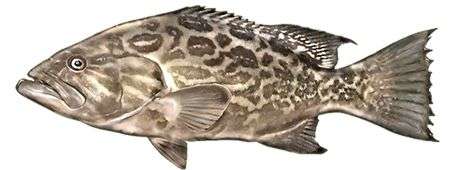
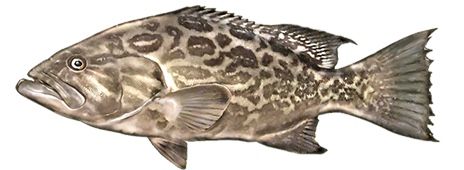 Broomtail Grouper
 Great Barracuda
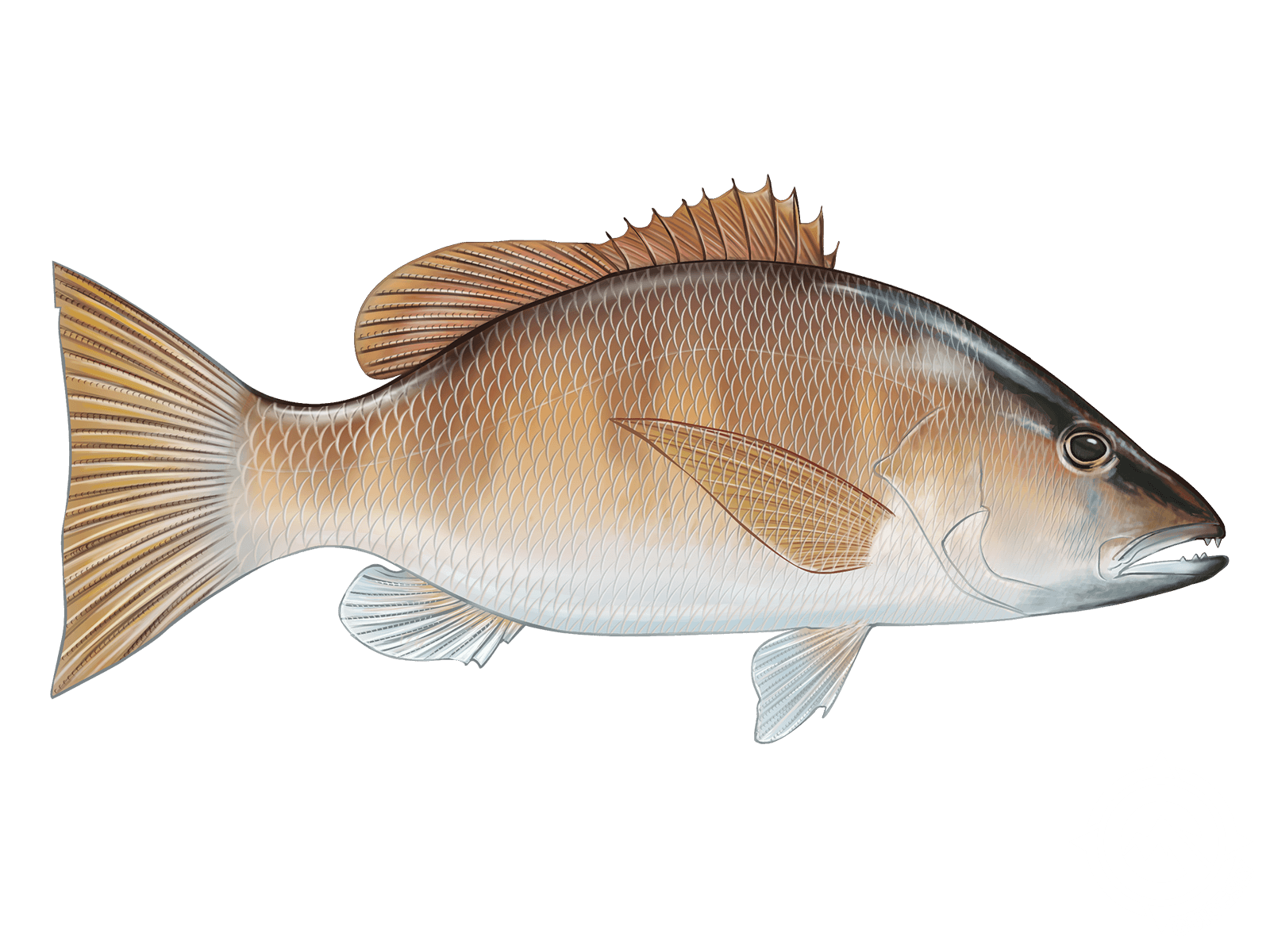
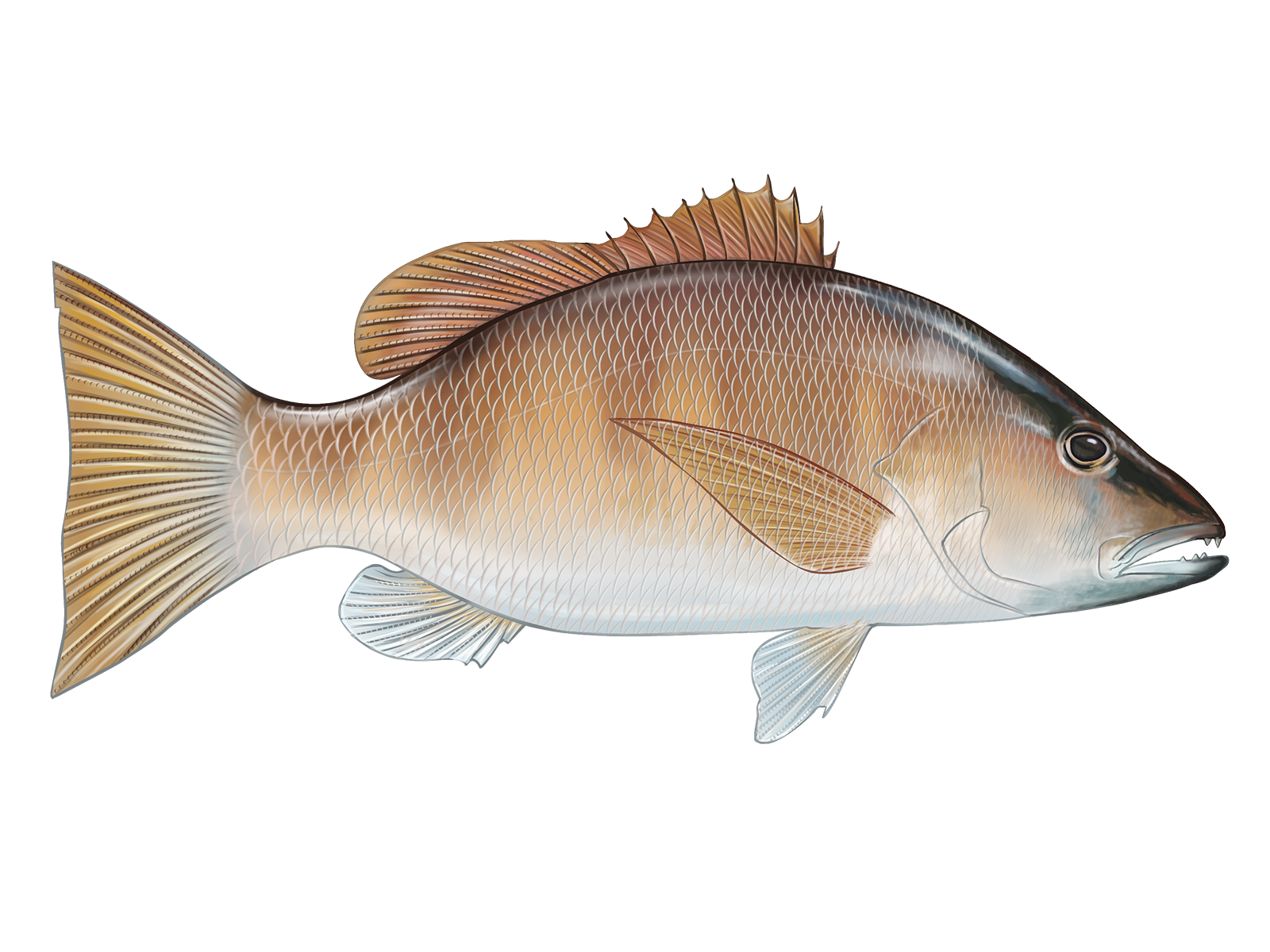 Grey Snapper
- Afternoon inshore fishing targeting barracuda and grouper in shallow waters
- All equipment, bait, licenses, and fish cleaning services included
- Maximum four guests ensures personalized attention and comfortable experience
Trip Pricing and Availabilities:
Guided Inshore Barracuda and Grouper Trip
Picture this: it's 3:30 PM in Key Largo, and you're heading out for an afternoon on some of the most productive inshore waters in the Keys. This top-rated charter takes you into the calm coastal zones where the big boys hang out—we're talking shallow enough to see the bottom, but deep enough at 10 to 20 feet to hold some serious fish. For $500, you and up to three buddies get the full treatment: all the gear, live bait, permits, cold water, and we'll even clean your catch at the dock. Whether you've been fishing your whole life or just picked up a rod last week, this trip's built for anyone ready to tangle with some Key Largo legends.
What to Expect on the Water
When you step aboard with Captain Tailgator, you're getting more than just a boat ride. This is a hands-on afternoon where we'll put you on fish using proven local techniques in waters that have been producing for decades. The beauty of this trip is the setting—we're working those protected coastal flats and channels where the water stays calm, but the action heats up as the afternoon sun starts to angle low. You'll be fishing structure, grass beds, and drop-offs that most weekend warriors never find. The boat's loaded with fishfinder electronics, so we're not just guessing where the fish are—we're hunting them down with precision. And here's the kicker: this isn't some cattle boat operation. With just four anglers max, everyone gets personal attention and plenty of room to fight fish without bumping elbows.
Light Tackle Magic
We're talking light tackle fishing here, which means you're going to feel every headshake, every run, every desperate dive these fish make. The gear we provide is perfectly matched to the species we're after—sensitive enough to detect that subtle grouper bite, but with enough backbone to turn a charging barracuda away from structure. Live bait is the name of the game on this trip. Fresh pilchards, pinfish, and sometimes live shrimp depending on what's working best that week. We'll set you up with circle hooks and the right weight for the depth and current we're fishing. The technique is straightforward but effective: present that bait naturally near structure or over the grass, keep your drag set right, and be ready when something decides to eat. The shallow water means you can often watch the whole fight unfold, seeing your fish make runs and jumps in crystal-clear water.
Species You'll Want to Hook
Grey Snapper are the bread and butter of Key Largo inshore fishing, and for good reason. These smart, spunky fish average 2 to 8 pounds in our waters, with the occasional whopper pushing double digits. What makes them so exciting is how finicky they can be—one day they'll eat anything you drop down, the next they'll inspect your bait like suspicious food critics. They're structure-oriented fish, hanging around ledges, rocks, and coral heads during the day. The best bite usually happens as the afternoon progresses and they start getting more aggressive about feeding. When you hook one, expect a determined fight with multiple runs toward whatever cover they can find. The bonus? They're phenomenal on the dinner table.
Great Barracuda are the speed demons of the flats, and hooking one is like plugging into an electrical outlet. These torpedo-shaped predators can stretch over four feet long and pack serious attitude. They're visual hunters, often lurking near the surface or in mid-water columns, waiting to ambush baitfish. What's incredible about barracuda fishing in Key Largo is you can sometimes see them following your bait before they strike—it's like watching a nature documentary unfold. When they hit, it's explosive. First run is usually a blistering sprint that'll test your drag and your nerves. They're known for their acrobatic jumps and unpredictable direction changes. Prime time is typically late afternoon when they're actively hunting, making this trip perfectly timed for cuda action.
Broomtail Grouper might not be the biggest grouper species, but they're scrappy fighters that'll give you a workout on light tackle. These bottom-dwellers typically range from 1 to 5 pounds in our area, with their distinctive fan-shaped tail that gives them their name. They're ambush predators that love hiding in holes, under ledges, and around any structure they can find. The tricky part about grouper fishing is the first few seconds after hookup—they'll immediately try to get back to their hole, so you need to apply pressure right away. What makes broomtails special is their willingness to eat live bait when other grouper species get lockjaw. They're year-round residents in Key Largo waters, but they tend to be most active during the cooler months when they're feeding heavily.
Time to Book Your Spot
This afternoon charter hits all the marks for anyone looking to experience world-class inshore fishing without the complexity of an all-day trip. You get professional guidance, quality equipment, productive waters, and the chance to bring home some of the best eating fish in the Keys. The $500 price point includes everything you need except lunch—and honestly, most folks are too excited about the fishing to worry about food anyway. Captain Tailgator's boat is set up right, the fishing grounds are proven producers, and the 3:30 PM departure time puts you on the water during prime afternoon feeding periods. Whether you're a local looking for a reliable charter or visiting from out of town, this trip delivers the authentic Key Largo fishing experience you're after. Don't wait around—the best fishing days fill up fast, and you don't want to be the one telling stories about the trip you should have booked.
Learn more about the animals
Broomtail Grouper
These robust groupers are rare treats around Key Largo, easily spotted by their distinctive fan-shaped tail. Most weigh 30-60 pounds with pale brown coloring and those signature lip-shaped markings. They prefer rocky structure and hard bottom in our deeper spots, though smaller ones sometimes venture into shallower areas. What makes them special is the challenge - they'll try to drag you straight into the rocks the moment they're hooked. The fight is pure power, not endurance. Live bait like pinfish or large shrimp works best on heavy jigs. Here's the key: once you hook up, keep steady pressure and get them up fast before they reach cover. Their soft, white meat makes the battle worth it.
Great Barracuda
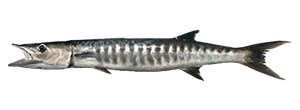
These silver torpedoes are built for speed, hitting 35 mph in short bursts. Most run 2-4 feet long with razor-sharp teeth and an attitude to match. In our shallow coastal waters, they patrol grass flats and reef edges looking for baitfish. Spring through summer is prime time when they're most active near shore. What makes them special is the visual hunt - you'll often see them following your lure before they strike. The fight is intense but short-lived, with explosive runs and occasional jumps. Live bait works great, but here's a local tip: use a wire leader and keep moving your lure. They hunt by sight and love flash, so don't let it sit still. Just remember those teeth when landing one!
Grey Snapper
Also called Mangrove Snapper, these copper-red fish are perfect for our shallow water trips. They typically run 1-2 pounds inshore, though bigger ones lurk in deeper spots. You'll find them around docks, mangroves, and any structure in 10-20 feet - exactly where we fish. They're opportunistic feeders that love live shrimp, but here's the trick: keep your bait still near the bottom. These smart fish spook easily from too much movement. Spring through fall gives you the best action, especially around new moon periods when they feed more aggressively. Guests love them because they fight well on light tackle and make excellent table fare - that white, flaky meat is hard to beat.