%2Ffit-in%2F250x250%2Fguide_websites%2F179614%2Fimages%2F1781934947216tailgator-charters.png&w=1920&q=100)
Mahi Mahi Fishing in Key Largo FL - Charter with Captain Bill Miller
Mahi Mahi Fishing in Key Largo - What to Expect
%2F%2Fusers%2F980f7fcb-2a1e-48c5-a7bb-d3eb6c815361%2Fimages%2Fkey-largo-mahi-mahi-double-2683.jpg&w=1920&q=75)
Fishing Charter by Captain William Bill Miller in June
Meet your Captain Bill Miller
- Premier Key Largo Fishing Charter For Families


Summary
Join Captain William Bill Miller of Tailgator Charters on a fishing charter in Key Largo for an exciting mahi mahi adventure. This Sunday in June offers the perfect conditions to target these vibrant, hard-fighting fish in Florida's productive offshore waters. Mahi mahi are known for their acrobatic runs and aggressive strikes, making them a premier sport fish for anglers seeking action and excellent eating quality.
Fishing Charter with Captain William Bill Miller - Rates & Booking
Captain William Bill Miller of Tailgator Charters operates fishing charters out of Key Largo on Sunday, June 22nd. This fishing charter targets mahi mahi and other species in the waters surrounding the Upper Florida Keys. To book your fishing adventure or learn about current rates, availability, and specific trip details, contact Tailgator Charters directly for the most up-to-date information on guest capacity, trip duration, and included amenities.
Captain Bill's local expertise and knowledge of Key Largo's fishing grounds ensure you'll be positioned in the best spots for consistent action. Trust signals including his experience as a licensed guide and familiarity with seasonal patterns make him a reliable choice for both experienced anglers and those new to offshore fishing.
Highlights of Your Mahi Mahi Fishing Experience
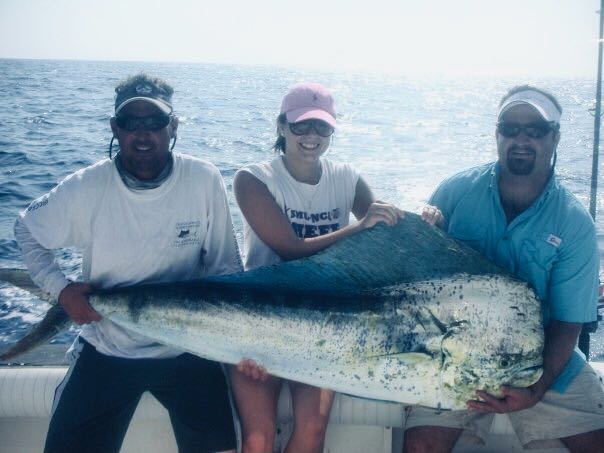
Mahi mahi are among the most exciting fish to catch in the Florida Keys. These vibrant fish display brilliant blue, green, and gold coloring and are renowned for their spectacular jumping displays and powerful runs. When hooked, they fight with incredible energy, making them a favorite among sport anglers. The combination of consistent action and the thrill of multiple hookups throughout the day makes mahi mahi fishing an unforgettable experience.
Key Largo's offshore environment provides ideal conditions for locating and catching mahi mahi during the summer months. The productive gulf stream waters, reef systems, and drop-offs create rich feeding grounds where these fish congregate, offering anglers excellent opportunities for a rewarding day on the water.
Local Species Insights: Mahi Mahi in Key Largo Waters
Mahi mahi, scientifically known as Coryphaena hippurus, are pelagic fish that thrive in warm tropical and subtropical waters. In Key Largo, these fish are most abundant during spring through fall, with peak activity during summer months when water temperatures peak. Understanding their behavior and habitat preferences helps anglers maximize their success rate.
Mahi mahi are visual hunters that feed on small fish and crustaceans. They exhibit aggressive feeding behavior, particularly around structure like floating seaweed, debris, and reef edges where baitfish concentrate. This predatory nature makes them susceptible to live bait presentations and artificial lures. They typically cruise at depths ranging from the surface to around 200 feet, though they're often found in shallower, more accessible waters near reefs and structure.
These fish reach maturity quickly and grow rapidly, with individuals commonly ranging from 5 to 30 pounds in recreational fisheries. Larger specimens, called bull dolphins, can exceed 40 pounds and provide exceptional challenges. Their colorful appearance intensifies when feeding or under stress, displaying vibrant hues that shift from blue to green to gold. After landing, they quickly lose these colors, but the memory of their brilliant appearance remains vivid for anglers.
Mahi mahi are schooling fish, meaning that finding one often means finding multiple fish in the immediate area. This characteristic creates exciting opportunities for rapid-fire action during productive periods. Their intelligence and speed make them engaging opponents that require proper technique, rod handling, and timing to land successfully. The combination of their fighting ability, visual appeal, and abundance in Key Largo waters makes mahi mahi fishing a core attraction for visiting anglers.
Key Largo's geographic position provides access to world-class fishing grounds. The relatively short run to productive offshore waters means more time on the fishing grounds and better overall value. The underwater topography creates natural gathering areas where mahi mahi concentrate, particularly around temperature breaks, depth changes, and current lines where baitfish congregate.