%2Ffit-in%2F250x250%2Fguide_websites%2F179614%2Fimages%2F1781934947216tailgator-charters.png&w=1920&q=100)
Mahi Mahi Fishing in Key Largo FL with Captain Bill Miller
Mahi Mahi Fishing in Key Largo - What to Expect
%2F%2Fusers%2F980f7fcb-2a1e-48c5-a7bb-d3eb6c815361%2Fimages%2Fkey-largo-mahi-mahi-fishing-2621.jpg&w=1920&q=75)
Fishing Charter by Captain William Bill Miller in June
Meet your Captain Bill Miller
- Premier Key Largo Fishing Charter For Families


Summary
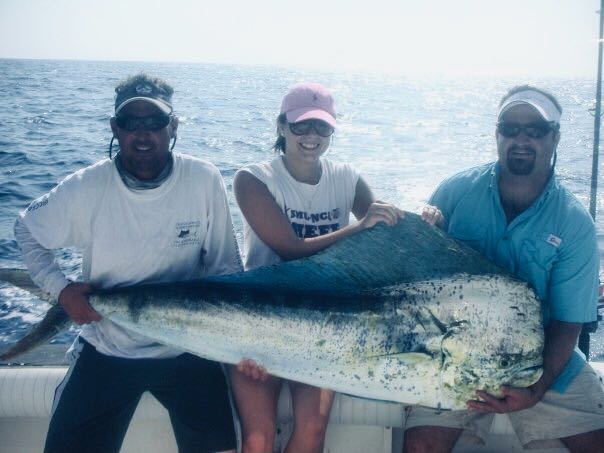
Fishing for mahi mahi on a Sunday in June proved to be exactly what we needed. The fishing charter with Captain William Bill Miller delivered solid results and genuine local knowledge. Key Largo's waters delivered that day, and we came home with fresh-caught fish and good memories.
Fishing Charter with Captain William Bill Miller - Rates & Booking
Captain William Bill Miller of Tailgator Charters took us out on Sunday in June for a mahi mahi fishing charter in Key Largo. What stood out was his command of these waters and genuine approach to the fishing experience. He didn't oversell or make promises he couldn't keep - he simply knew where the fish were and how to get us there.
The day unfolded naturally. We worked the structure Captain Miller had identified, presented our offerings to the water, and the mahi mahi responded. It's the kind of fishing that keeps you engaged throughout the charter - you're actively working, reading conditions, and staying ready for the strike. Captain Miller provided solid guidance without being intrusive, allowing us to experience the actual fishing rather than just being spectators.
For booking your own charter with Tailgator Charters, contact Captain William Bill Miller directly. He operates year-round in Key Largo waters and welcomes both experienced anglers and those newer to offshore fishing. Bring your own gear if you prefer, or ask about what's available. Most importantly, come ready to fish and willing to follow his direction on the water - that's where his expertise becomes obvious.
Highlights of Your Mahi Mahi Charter
The mahi mahi bite was steady throughout our time on the water. These fish responded well to properly presented live and cut bait, and the action provided several opportunities during the charter window. Key Largo's offshore structure creates ideal conditions for finding and pursuing mahi mahi, particularly during warmer months when they're actively feeding.
What made the experience memorable wasn't just the catch, but the environment itself. The water clarity, the offshore breezes, and the genuine rhythm of fishing work together in a way that shore fishing simply doesn't replicate. Captain Miller's familiarity with these grounds meant less time searching and more time actually fishing - a quality that separates experienced guides from those just starting out.
Local Species Insights: Mahi Mahi in Key Largo Waters
Mahi mahi are among the most rewarding fish to pursue in Key Largo's waters, and understanding what we encountered that day helps explain why. These fish are highly migratory and opportunistic feeders, moving through Florida's offshore zones following baitfish schools and structure. They typically range from 5 to 30 pounds in recreational catches, though larger specimens do occur. The colors on a healthy mahi mahi are striking - bright greens and golds that intensify when they're actively feeding or hooked.
What makes mahi mahi particularly suitable for charter fishing is their aggressive nature and reliability. Unlike some species that demand perfect conditions or precise techniques, mahi mahi generally respond to conventional offshore tactics. They hunt baitfish, so live or fresh-cut offerings work well. They relate to structure and temperature breaks, which Captain Miller knows well in Key Largo waters. They also put up a solid fight, making the actual fishing engaging from hookset through landing.
The habitat around Key Largo supports consistent mahi mahi presence because of the area's unique characteristics. The Gulf Stream proximity, the shallow-to-deep water transitions, and the abundance of baitfish create natural feeding grounds. During warmer months, mahi mahi move in from deeper offshore, making them more accessible to charter operations. The fish we caught that day were active, healthy specimens - indicating good environmental conditions and strong local populations.
Success with mahi mahi depends partly on luck with weather and water conditions, but more significantly on guide knowledge and angler effort. Captain Miller's experience reading the water, identifying likely structure, and positioning the boat gave us real advantages. The fishing itself required focus and participation - no passive watching. You're making casts, managing your offering, staying alert for bites, and executing the hookset when opportunity comes. It's the kind of fishing that demands your attention and rewards it with genuine engagement and, when fortune favors, excellent results.